


Bringing clarity to cataracts
Cataracts cause 40% of cases of visual impairment in Australians aged 55 and over, and there are currently over two million Australians in this age bracket who suffer from untreated cataract, most of whom live in remote and regional Australia. Globally, cataract is the leading cause of blindness.
There are several different types of cataracts, including nuclear, cortical, sub-capsular and mixed cataracts.
Each type affects a particular anatomical location within the crystalline lens and has specific pathological processes and risk factors for their development.
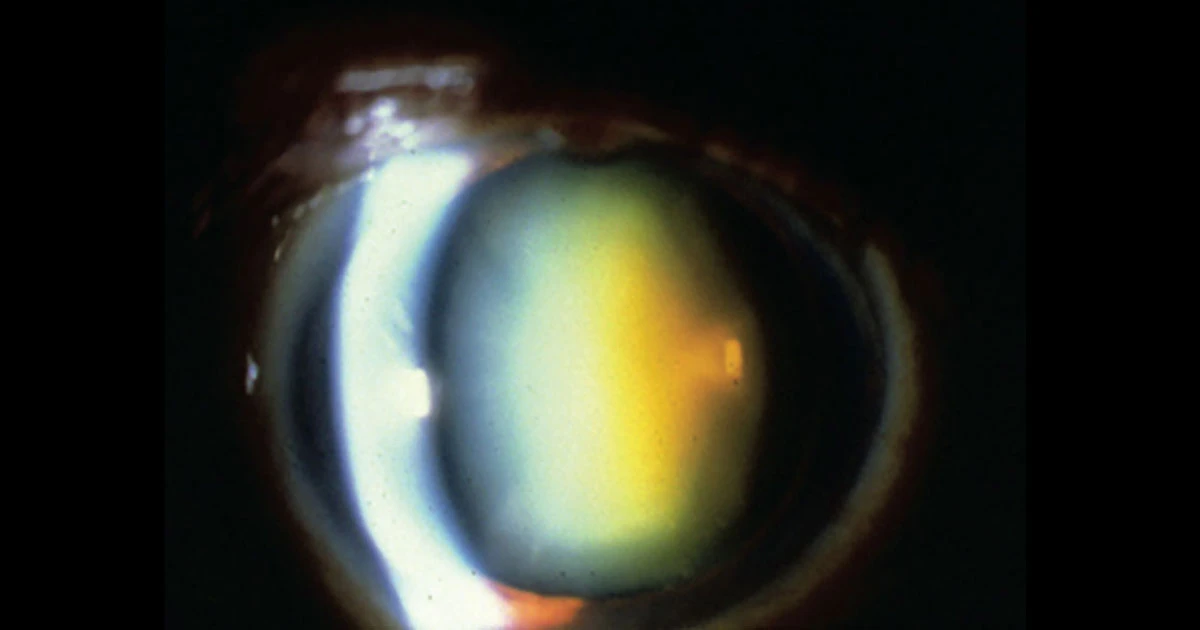
In Australian patients, nuclear cataract is the most common type, and consists of a central opacification or yellow discoloration that interferes with visual function. Nuclear cataracts tend to progress slowly and affect distance vision more than near vision. Nuclear cataracts may induce myopia or a reduction in pre-existing hyperopia.
Increasing frequency of changes in the prescription of spectacles may be an early sign of cataract formation.
Read Dr Robaei's full article at Medical Republic:
Bringing Clarity to Cataracts
